


The Shocking Reality and the Road to Future-Proofing Your Career
The World Economic Forum’s Future of Jobs Report paints a stark picture for the global workforce. With rapid advancements in artificial intelligence (AI), shifts in geopolitical dynamics, and the ongoing green transition, the professional landscape is undergoing seismic changes.
By 2030, 92 million jobs are projected to vanish globally, and 41% of employers plan to downsize. These numbers, while alarming, also highlight the opportunities that come with change. Let’s break down the insights and uncover how to prepare for the future of work.
Table of Contents


The Decline of Jobs: What Roles Are at Risk?
Automation and AI are replacing roles that are repetitive and easily programmable. Jobs like:
- Ticket clerks
- Administrative assistants
- Cashiers
- Bank tellers
- Data entry workers
These roles are becoming obsolete as businesses opt for cost-effective AI solutions. Within the next five years, many of these jobs will likely disappear.
A Snapshot of the Workforce in 2030
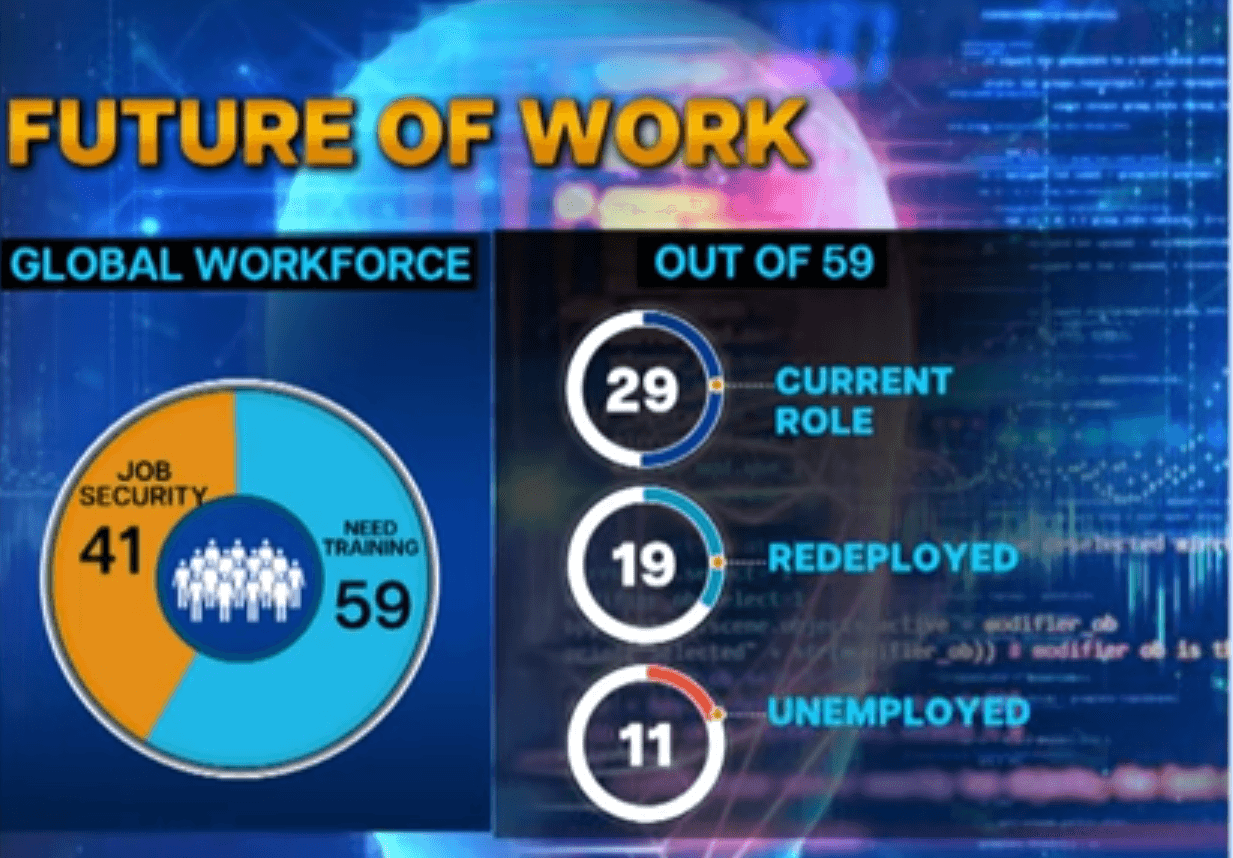
Here’s how the workforce will look by 2030, based on the Future of Jobs report:
| Category | Description | Percentage |
|---|---|---|
| Job Security | Workers in stable roles like physical labor, medical, tech, or green energy | 41% |
| Require Upskilling | Workers who can retain roles with additional training | 29% |
| Need Redeployment | Workers who must transition to a different role | 19% |
| Displacement | Workers who will lose jobs entirely | 11% |
This breakdown underscores the urgent need for reskilling and adaptability.
Job Creation Amidst Job Losses
Despite job losses, the report offers a silver lining. By 2030:
- 78 million new jobs will emerge.
- Industries like big data, fintech, electric vehicles (EVs), and green energy are poised for growth.
To stay relevant, professionals need to align their skills with these evolving demands.


39% of Skills Will Become Outdated by 2030
As the world changes, so do the skills required to succeed. Nearly 39% of existing skills will become irrelevant within five years. This shift is particularly evident in industries undergoing rapid digital transformation.
Key to staying relevant: Upskilling.
The Power of Upskilling
Upskilling isn’t just a buzzword; it’s a lifeline for professionals. The benefits include:
- Job creation: Upskilling can lead to 5 million new jobs globally by 2030.
- Economic boost: Adds over $6 trillion to global GDP.
- Future-proofing careers: Keeps professionals competitive and adaptable.
Practical Steps to Upskill
- Identify industry trends: Stay updated on shifts within your sector.
- Analyze skill gaps: Determine which skills are in demand and where you lag.
- Pursue targeted training: Choose courses or certifications that align with future roles.
For instance:
- Oil and gas professionals: Explore skills in green energy or EV technology.
- Marketers: Dive into platforms like Instagram and TikTok to understand consumer trends.
- HR professionals: Learn how AI can enhance recruitment and talent management.
The Way Forward
Adapting to the future of work requires a proactive, individualized approach. Chart your course by:
- Assessing your current role.
- Identifying the broader industry trends.
- Bridging skill gaps to stay ahead of the curve.
The world is changing rapidly, and while it may seem like a rollercoaster ride, taking control ensures you’re in the driver’s seat.

FAQs
1. What is the World Economic Forum’s Future of Jobs Report?
The report analyzes trends in the global job market, highlighting emerging roles, declining jobs, and the impact of factors like AI and green energy on employment.
2. Why are 39% of skills becoming outdated?
Rapid technological advancements and evolving industry needs are rendering traditional skills irrelevant. Professionals must adapt to stay competitive.
3. Which industries will grow by 2030?
Sectors like big data, fintech, electric vehicles, green energy, and healthcare are expected to see significant growth.
4. How does upskilling boost global GDP?
Upskilling improves productivity and creates new opportunities, leading to economic growth and higher employment rates.
5. What are some in-demand skills for the future?
- Digital literacy
- Data analysis
- AI and machine learning
- Sustainability expertise
- Creative problem-solving
Stay updated with Capsule Post for the latest news and insights of Trump Over Greenland Ambitions, Nifty Crashes, HMP virus, Ketan Parekh 65Cr front-running stock market scam, and the recent development in Canada Justin Trudeau resigns
- হামেশাই প্রেশার মাপেন? কিন্তু ‘ঠিক নিয়মে’ মাপছেন তো?
- Future of Jobs: Shocking 39% of Job Skills Will Become Obsolete by 2030 – Are You Ready?
- ISRO Successfully Executes 4th Satellite Docking Attempt Under Spadex Mission
- Saif Ali Khan Attack News: Shocking Details Emerge About the Attacker Staying Overnight
- How 61 lakh crores wiped out? The Alarming Decline of the Indian Share Market: A Comprehensive Analysis