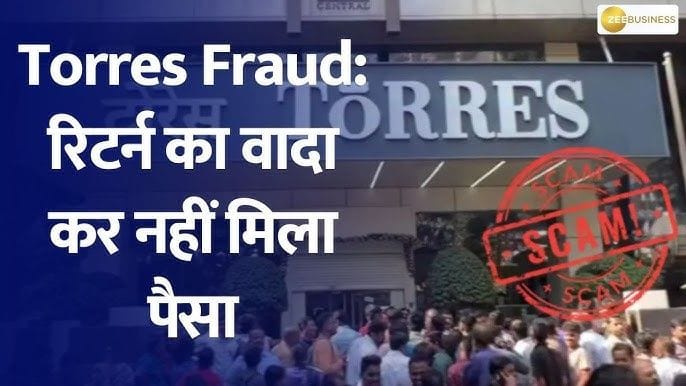

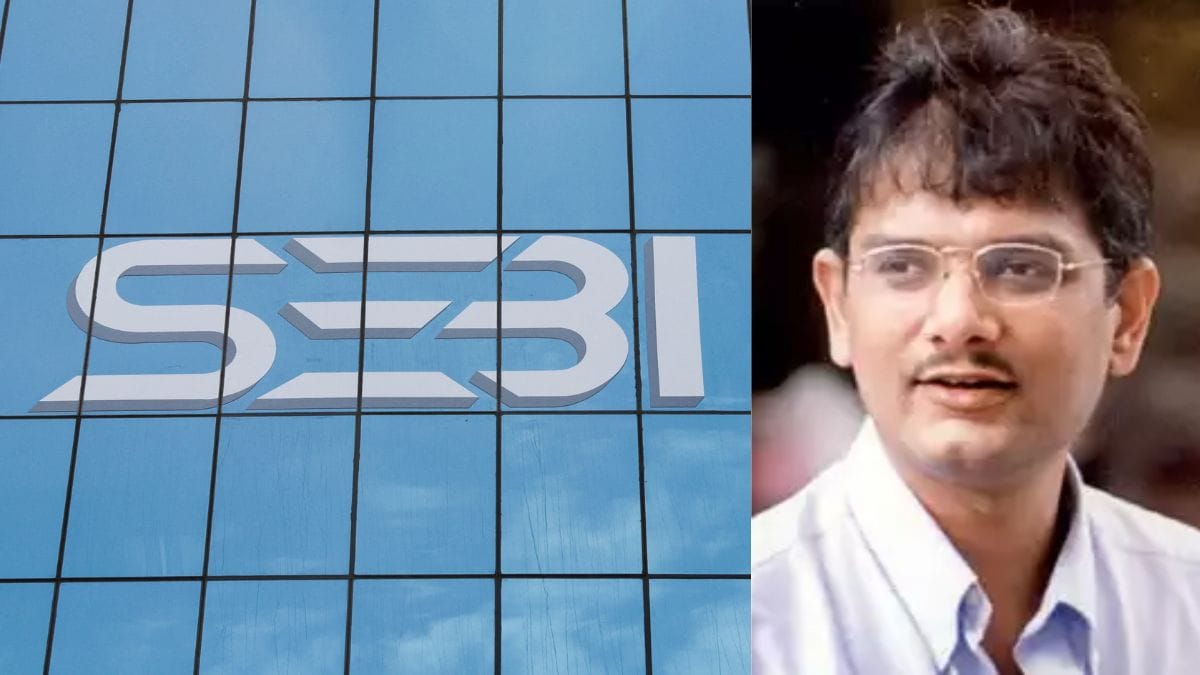
The name Ketan Parekh is synonymous with controversy in India’s stock market history. Once hailed as the “Big Bull” of Dalal Street, his legacy took a dramatic turn with the 2000 stock market scam. Nearly 25 years later, Parekh’s name has resurfaced in a shocking front-running scam. What exactly happened, and how did SEBI uncover this elaborate scheme? Let’s dive into the details.
Table of Contents


Who Is Ketan Parekh?
Background and Rise in the Stock Market
Ketan Parekh, a chartered accountant by profession, belonged to a prominent brokerage family. He started his career working alongside Harshad Mehta, the infamous “Big Bull” of the 1990s. By the late 1990s, Parekh had established himself as a significant player in the stock market. His ability to influence stock prices earned him a cult-like following among investors.
The 2000 Scam and Subsequent Ban
In 2000, Parekh was at the center of a massive stock market scam involving manipulation of stock prices through circular trading and misappropriation of funds. The scam caused immense losses to investors and led to his arrest. SEBI banned him from trading for 14 years, tarnishing his reputation permanently.
SEBI’s 2025 Front-Running Scam Investigation


The Latest Revelations and Key Players
The year 2025 began with a bombshell: SEBI exposed a front-running scam involving Parekh and a Singapore-based trader, Rohit Salgaonkar. According to SEBI’s January 2 order, illegal earnings amounting to ₹65.77 crore were seized. The investigation implicated 22 entities, including PNB MetLife’s equity dealer Sachin and others.
Details of the Illegal Profits and SEBI’s Order
SEBI’s order, issued by whole-time member Kamlesh Varshne, detailed how Parekh and Salgaonkar planned and executed the scheme. Salgaonkar, leveraging his close ties with a fund house, provided confidential trading information to Parekh. This information enabled Parekh to execute trades systematically, earning illegal profits.
How the Scam Operated: From Singapore to India
The operation relied heavily on Salgaonkar’s connections within a fund house. Salgaonkar shared insider information with Parekh, who used multiple trading accounts to manipulate the market. SEBI also uncovered Salgaonkar’s involvement with PNB MetLife’s equity dealer, who earned ₹21.16 crore through the scheme.
PNB MetLife stated that it fully cooperated with SEBI during the investigation and took disciplinary action against those involved, reaffirming its commitment to transparency.
The Role of Technology in Exposing the Scam
Tracking Movements Through Phone Numbers
A critical breakthrough in SEBI’s investigation came from two phone numbers linked to Parekh. One number, traced to his wife Mamta, and another burner phone were key to unraveling the scheme. Location data from these phones revealed Parekh’s movements, often matching those of Salgaonkar.
WhatsApp Chats and IMEI Data
SEBI’s investigators uncovered WhatsApp chats between Parekh and his network, revealing details of their trades. A contact saved as “JackLatis” was confirmed to be Parekh through cross-referenced data, including his birthday. These digital breadcrumbs connected Parekh to the illegal trading activities.
What Is Front Running?
Definition and Explanation with Examples
Front running is an illegal trading practice where brokers or traders use confidential information about client orders to trade for their own benefit. For example, if a broker learns about a large buy order for a stock, they might purchase shares beforehand, driving up the price, and then sell their shares at a profit once the client’s order is executed.
Legal and Ethical Implications
Considered a form of market manipulation and insider trading, front running erodes trust in the financial system. Regulatory bodies like SEBI actively monitor and penalize such activities to maintain market integrity.
The Larger Implications for India’s Stock Market
SEBI’s Proactive Measures
SEBI’s swift action against Parekh and others highlights its commitment to curbing illegal trading practices. By leveraging technology and data analytics, the regulator has strengthened its investigative capabilities.
Impact on Investor Confidence
While scams like these tarnish the market’s image, SEBI’s vigilance reassures investors of the regulator’s ability to act decisively. It also serves as a warning to market participants about the consequences of unethical behavior.


Conclusion
Ketan Parekh’s name, once a symbol of stock market success, has become synonymous with fraud and manipulation. SEBI’s latest investigation into his activities underscores the importance of transparency and accountability in financial markets.
As investors, staying informed and vigilant is crucial. What are your thoughts on this case? Share your insights in the comments below, and don’t forget to like and share this blog to spread awareness.
FAQs
1. Who is Ketan Parekh, and why is he infamous?
Ketan Parekh is a former stockbroker who rose to prominence in the late 1990s. He was involved in the 2000 stock market scam, leading to his arrest and a 14-year ban by SEBI.
2. What is front running in the stock market?
Front running is an illegal practice where brokers or traders use confidential client information to execute trades for personal gain before executing the client’s orders.
3. How does SEBI investigate market scams?
SEBI uses advanced data analytics, tracking tools, and traditional investigative methods to uncover fraudulent activities in the stock market.
4. What lessons can investors learn from such cases?
Investors should be cautious, conduct thorough research, and avoid blindly following market trends or influencers to safeguard their investments.
Stay updated with Capsule Post for the latest news and insights Ahead of the 2025 Budget