
Do you feel your mood plummet as soon as winter arrives? Does the cold, gloomy weather make you feel unusually sad, anxious, or constantly fatigued? If these feelings sound familiar and occur every winter, you might be experiencing Seasonal Affective Disorder (SAD). This condition, often called the “winter blues,” is a type of depression linked to seasonal changes. But what causes it, and more importantly, how can you manage it? Keep reading to explore the science behind SAD, its symptoms, and practical ways to overcome it.
Table of Contents


What Is Seasonal Affective Disorder (SAD)?
Seasonal Affective Disorder, or SAD, is a form of depression triggered by seasonal changes. While it can occur in any season, it’s most commonly associated with winter. As temperatures drop and daylight hours shorten, many people experience shifts in their mood and energy levels. For some, these changes are severe enough to impact daily life, leading to a diagnosable condition.
Why Does SAD Occur?
The link between weather and mood isn’t just anecdotal. Seasonal changes, particularly reduced exposure to sunlight, can disrupt our internal body clock, or circadian rhythm. This disruption affects serotonin and melatonin levels—chemicals that regulate mood and sleep. As a result, individuals with SAD may feel persistently low or experience other symptoms of depression.
Symptoms of Seasonal Affective Disorder
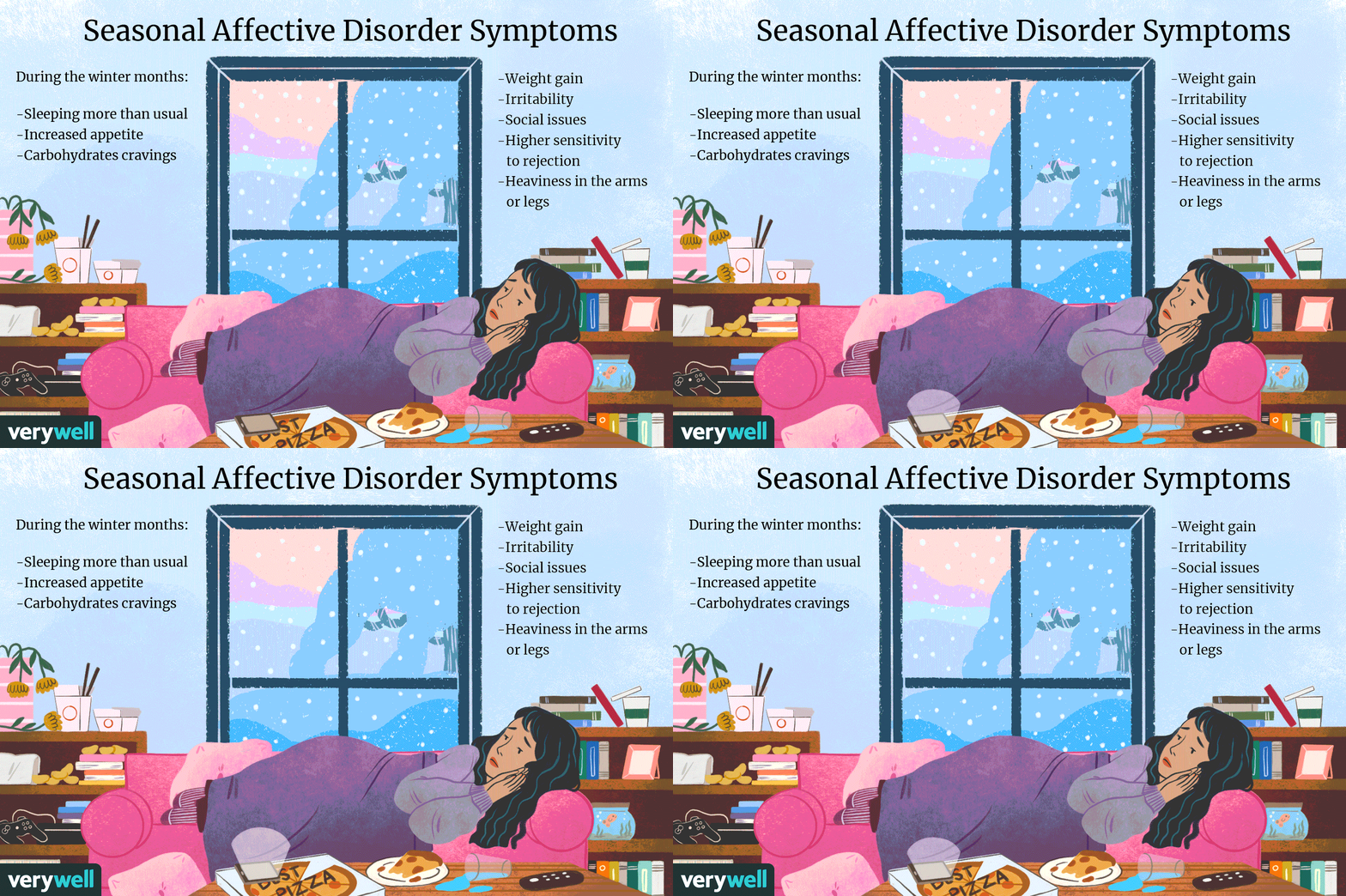
The symptoms of SAD can vary depending on the season:
Winter Symptoms:
Persistent sadness and low mood
Lack of interest in activities once enjoyed
Fatigue and low energy levels
Difficulty sleeping or oversleeping
Changes in appetite, often craving carbohydrates
Feelings of guilt or worthlessness
Difficulty concentrating
Summer Symptoms:
Increased energy or mania
Irritability and restlessness
Insomnia
Risky or impulsive behaviors
How to Prevent and Manage Seasonal Affective Disorder
Although SAD can feel overwhelming, there are effective strategies to manage it:
Lifestyle Changes:
Light Therapy: Use a light therapy box to mimic natural sunlight and improve mood.
Physical Activity: Regular exercise boosts endorphin levels, which help combat depression.
Stay Connected: Engage in social activities to reduce feelings of isolation.
Diet and Supplements:
Vitamin D: Supplementing with Vitamin D can counteract the lack of sunlight.
Healthy Diet: Focus on nutrient-rich foods to maintain energy levels.
Seek Professional Help:
Therapy, such as cognitive-behavioral therapy (CBT), can provide tools to manage symptoms.
In some cases, medication may be necessary under the guidance of a healthcare professional.

Exploring Warming Lotions: A Winter Relief
Apart from mood management, winter brings physical discomfort like cold hands and feet. Enter warming lotions—a topical solution gaining popularity for providing warmth during harsh winters.
How They Work:
Warming lotions contain ingredients like capsaicin (from chili peppers) and cinnamon oil. Capsaicin activates heat receptors in the skin, creating a warming sensation. Cinnamon oil enhances this effect while also promoting better blood circulation.
Benefits and Precautions:
While warming lotions are great for exposed skin and provide quick relief, it’s essential to test them for allergies and use them as directed. Overuse or applying on sensitive skin can cause irritation.
FAQs About Seasonal Affective Disorder
Can SAD affect people year-round?
Although rare, some individuals experience SAD symptoms outside of typical seasonal patterns. Consulting a healthcare provider can clarify the diagnosis.
How is SAD diagnosed?
A doctor will evaluate your symptoms, medical history, and seasonal patterns to diagnose SAD accurately.
Are warming lotions effective for everyone?
Warming lotions work well for most people but may not suit individuals with sensitive skin or certain medical conditions.
Conclusion
Seasonal Affective Disorder may make winter feel daunting, but understanding its causes and symptoms is the first step toward effective management. By incorporating light therapy, maintaining a healthy lifestyle, and exploring options like warming lotions, you can combat the winter blues and embrace the season with renewed energy. Have you tried any strategies to manage SAD? Share your experiences in the comments below!
Stay updated with Capsule Post for the latest news and insights of The Rising Threat of HMPV