
Have you ever wondered if your blood group could affect your health? Some people think their blood type makes them immune to certain illnesses, while others worry about being more vulnerable. Is there any truth to these beliefs? Let’s explore the fascinating world of blood groups—what they are, how they impact health, and what you can do to stay fit no matter your type. Get ready for an engaging and informative journey into the science of blood groups!
Table of Contents
Which Blood Group is More Prone to Diseases? Insights from Doctors
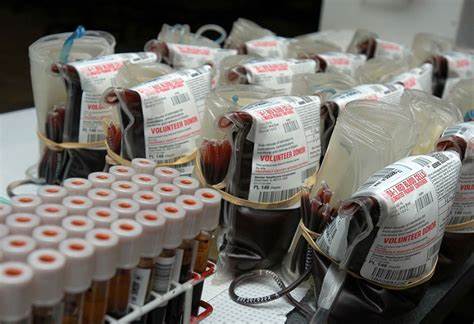
Blood groups are more than just a marker for identifying who can donate or receive blood. They can reveal fascinating insights into health predispositions. Certain blood groups may have a higher risk for specific diseases, while others may enjoy some protective advantages. Let’s dive deep into the science behind blood groups and their impact on health.


What is a Blood Group?
A blood group is a classification of blood based on the presence or absence of specific antigens and antibodies. The two main systems for defining blood groups are:
- ABO System: Includes four primary groups—A, B, AB, and O.
- Rh System: Determines whether the blood type is positive (+) or negative (-).
For example, someone with O-positive blood falls under the ABO system for “O” and the Rh system for “positive.”
Universal and Rare Blood Groups
Universal Blood Group
- O-negative is known as the universal donor blood group because it lacks A, B, and Rh antigens, making it compatible with all blood types.
- AB-positive is the universal recipient because it can receive blood from any group.
Rare Blood Groups
- AB-negative: The rarest blood group globally.
- Bombay Blood Group (hh): Exceptionally rare and mostly found in India. Individuals with this group can only receive blood from another Bombay blood group donor.
- Golden Blood Group: Another rare type, technically known as Rh-null, it lacks all Rh antigens and has been identified in fewer than 50 people worldwide.
Blood Group Types and Their Characteristics
| Blood Group | Universal Role | Frequency | Common Diseases Associated |
|---|---|---|---|
| O-negative | Universal donor | Rare | Higher risk of ulcers, cholera |
| O-positive | Most common donor | Common | Lower risk of heart disease |
| A-positive | – | Common | Prone to heart disease, cancer |
| A-negative | – | Less common | Risk of stomach infections |
| B-positive | – | Common | Prone to diabetes |
| B-negative | – | Less common | Stronger immune response |
| AB-positive | Universal recipient | Rare | Cognitive decline, clotting issues |
| AB-negative | – | Very rare | Memory problems, blood clots |


Blood Group Chart
| Blood Group | Can Donate To | Can Receive From |
|---|---|---|
| O-negative | All groups | O-negative |
| O-positive | O+, A+, B+, AB+ | O+, O- |
| A-negative | A-, A+, AB-, AB+ | A-, O- |
| A-positive | A+, AB+ | A+, A-, O+, O- |
| B-negative | B-, B+, AB-, AB+ | B-, O- |
| B-positive | B+, AB+ | B+, B-, O+, O- |
| AB-negative | AB-, AB+ | AB-, A-, B-, O- |
| AB-positive | AB+ | All groups |


FAQs on Blood Groups
1. Can blood groups change over time?
No, blood groups are genetically determined and remain constant throughout life.
2. Which blood group is universal?
O-negative is the universal donor, and AB-positive is the universal recipient.
3. What is the rarest blood group?
Globally, AB-negative is the rarest, while the Bombay Blood Group is extremely rare in India.
4. What are the 3 rarest blood types?
- AB-negative
- Bombay Blood Group (hh)
- Rh-null (Golden Blood Group)
5. Can two people of the same blood group marry?
Yes, but they should undergo genetic counseling if both are Rh-negative to avoid complications during pregnancy.
6. What is the “Golden Blood Group”?
Rh-null, also called the Golden Blood Group, lacks all Rh antigens and is extremely rare.
7. Which blood group is best?
No blood group is inherently “better” than others. Health risks depend on lifestyle, environment, and genetic factors.
8. What is the Bombay Blood Group?
A rare type that lacks the A, B, and H antigens. It’s mostly found in India and requires specific donors for transfusions.
9. How can I find my blood group?
A simple blood test at a clinic or hospital can determine your blood type.
Rising Queries Explained
O-negative Blood Group Percentage in India
O-negative is found in approximately 7% of the Indian population, making it relatively rare but crucial for emergency transfusions.
Blood Groups in Hindi
- O-positive: ओ-पॉज़िटिव
- O-negative: ओ-नेगेटिव
- A-positive: ए-पॉज़िटिव
Blood Group Compatibility
Refer to the blood group chart for donor and recipient compatibility. It’s crucial to ensure safe transfusions.
Can Blood Group Change?
No, a blood group cannot change under normal circumstances. Exceptions may occur in cases like bone marrow transplants.
Rh Blood Group Discovery
The Rh blood group was discovered in 1937 by Karl Landsteiner and Alexander Wiener.
How to Stay Healthy Regardless of Blood Group
While your blood group may predispose you to certain risks, adopting a healthy lifestyle can mitigate these dangers. Here are general tips:
- Maintain a Balanced Diet: Focus on whole foods, fruits, and vegetables.
- Exercise Regularly: Physical activity reduces the risk of heart disease and other conditions.
- Stay Hygienic: Especially critical during outbreaks or pandemics.
- Get Regular Health Screenings: Early detection is key.
- Vaccinate and Follow Medical Advice: Protect against preventable diseases.
Conclusion
Blood groups provide a window into our health, influencing our susceptibility to certain diseases. While O-negative might save lives as a universal donor, A and AB groups could face higher health risks. Regardless of your blood type, a proactive approach to health—including regular check-ups and a healthy lifestyle—is your best defense.
What’s your blood group, and how do you stay healthy? Share your thoughts and tips in the comments below!
Stay updated with Capsule Post for the latest news and insights of The Rising Threat of HMPV